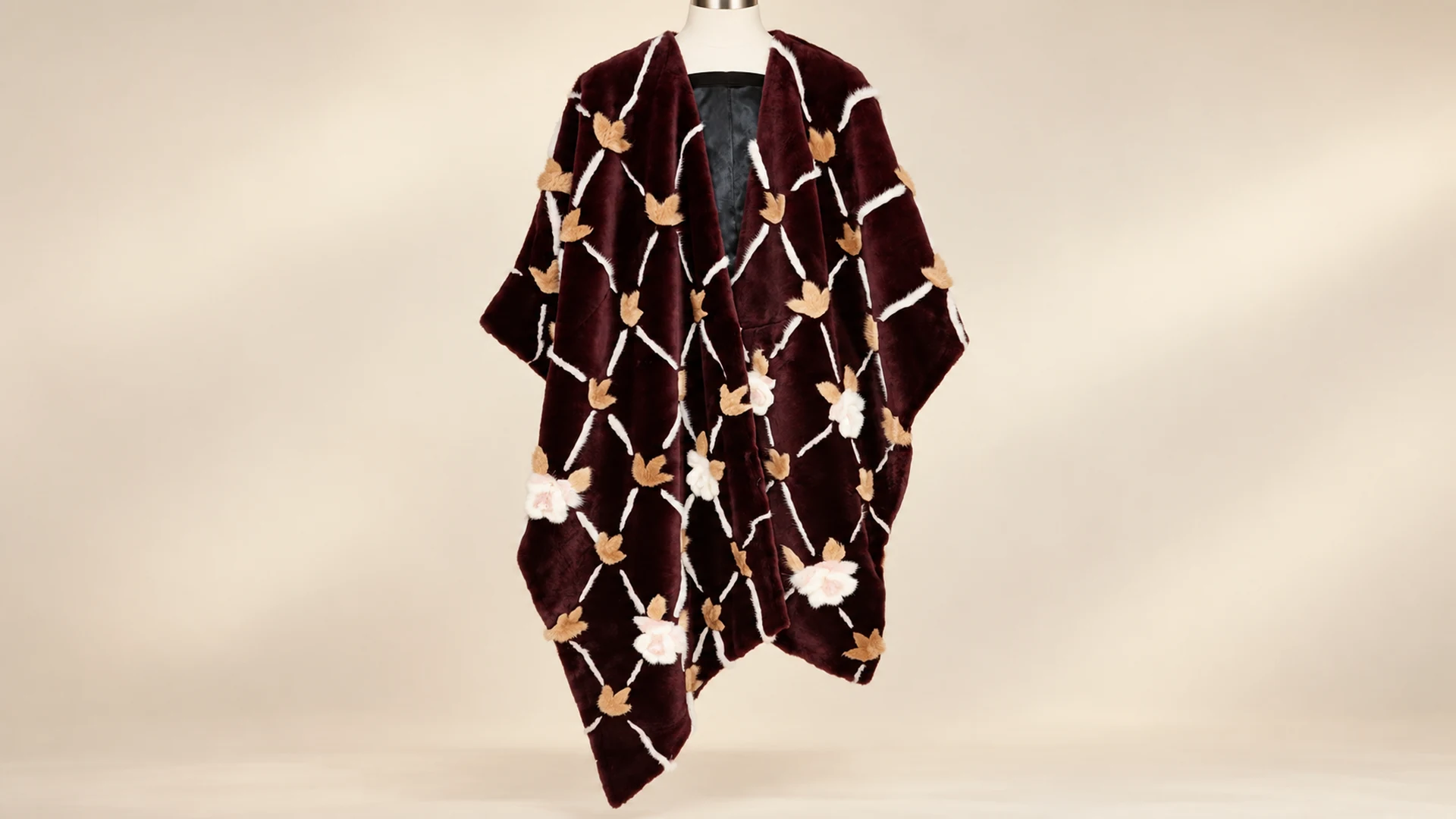
A reliable fur garment OEM process turns a design idea into a controlled set of specifications, samples, approvals, production checks, and shipment records. For buyers, the key is to define the product before requesting a final price, approve one clear sample version, and connect bulk inspection to written acceptance criteria. This reduces misunderstandings about material, color, fit, construction, components, packaging, and delivery.
The process varies by product. A mink coat, faux fur jacket, shearling style, vest, collar, or trim may require different confirmation and construction steps, but the following control points apply to most private-label projects.
What OEM Means in Fur Garment Sourcing
In an OEM project, the buyer normally provides a design, reference sample, tech pack, specification, or brand requirement, and the manufacturer develops and produces the garment to the agreed version. The buyer retains responsibility for defining the commercial target and approving the product; the manufacturer is responsible for checking feasibility, developing the sample, controlling approved production steps, and reporting deviations.
OEM should not be confused with a vague request to “make something similar.” The brief should identify what must be followed, adapted, substituted, or developed.
If you do not have a completed design, an ODM route may be more appropriate. With ODM, the supplier offers an existing design base that can be adapted with confirmed changes such as material, color, size, labeling, or selected construction details. The distinction should be recorded at the start because it affects ownership, development work, sampling, timing, and quotation.
The Eight-Stage OEM Workflow
1. Buyer Brief and Feasibility Review
The first stage is not pricing; it is understanding the product. A complete brief allows the supplier to identify missing information and technical risks before sampling.
Include:
- Product category and intended use
- Reference drawings or clear front, back, and detail photos
- Target material composition and surface appearance
- Color references and acceptable shade range
- Base size, size chart, and fit intent
- Garment measurements and points of measurement
- Construction details: panels, seams, collar, cuffs, hem, vents, pockets
- Lining, closures, labels, hardware, and packaging
- Approximate order quantity
- Destination market
- Required delivery window
- Required documents, tests, or labeling
If some information is unknown, mark it as “to be proposed” rather than leaving it ambiguous. The manufacturer can then separate confirmed requirements from development suggestions.
Feasibility questions the supplier should raise
A useful feasibility review may ask whether the chosen material supports the intended drape, whether the seam layout works with the garment shape, whether a color reference can be matched within an agreed range, whether hardware is available, and whether the measurement chart is compatible with the sample size.
The supplier should also identify external dependencies such as custom labels, special lining, third-party testing, or buyer-provided components. These items can affect cost and schedule even when garment assembly is straightforward.
2. Material and Component Confirmation
Before a full sample is developed, confirm what each part of the garment is made from. Avoid using one general material name for a style that includes a different body, collar, cuff, lining, or trim.
Create a component list covering:
- Main outer material
- Collar and trim material
- Lining
- Interlining or reinforcement where relevant
- Closures and hardware
- Pockets and pocketing
- Brand labels, care labels, size labels, and hangtags
- Packaging materials
Each material or component should have an ID or reference. If the supplier proposes an alternative, record the reason, differences, price effect, schedule effect, and approval status. No substitution should enter production only because it appears visually similar in a message or photo.
Confirm claims at product level
Material composition, animal species, origin, certification, processing, and compliance claims must apply to the exact product and shipment. Ask for relevant documentation when needed for the destination market. Do not rely on a generic certificate image or a document issued for a different item.
3. Quotation and Commercial Alignment
After the product is sufficiently defined, the supplier can prepare a useful quotation. Fur garment pricing can change with material selection, usable area, matching requirements, pattern complexity, size range, components, quantity, packaging, documentation, and customization.
A quotation should state:
- Product and version quoted
- Included material and components
- Approximate quantity or quantity range
- Currency
- Applicable trade terms and named place
- Sample charges and how revisions are handled
- Bulk price and what it includes
- Packaging assumption
- Payment terms
- Price-validity period
- Estimated schedule and the event that starts it
- Exclusions and buyer-supplied items
LINHUA uses flexible MOQ language because the practical minimum depends on the style, material, color, component, and production arrangement. Buyers should share the approximate quantity and market so the relevant option can be checked rather than expecting one number to apply to every product.
4. Sample Development
The first sample is a development tool. It may answer questions about silhouette, material behavior, panel layout, fit, color, components, or workmanship. Decide which questions the sample must answer before it is made.
Name every sample version
Use a version system such as V1, V2, and PP (pre-production). Every sample comment should refer to one version and one dated measurement/specification file.
Give structured comments
Avoid comments such as “make it better” or “not like the photo.” Use a table with:
| Area | Current result | Required change | Evidence/reference | Priority |
|---|---|---|---|---|
| Body length | Measured value | New target and tolerance | Measurement chart | Critical |
| Collar | Shape differs | Revised curve/width | Marked photo or pattern note | Major |
| Color | Outside range | Match approved reference | Physical swatch ID | Critical |
| Closure | Position uneven | Move to stated measurement | Annotated front photo | Major |
Consolidate comments from design, merchandising, technical, and sales teams before sending them. Conflicting messages from different people create unnecessary sample rounds.
Keep a visual and physical record
Record full front, back, sides, details, measurements, material IDs, and component IDs. Photos support communication, but the physical approval sample remains important when color, hand feel, matching, or construction cannot be captured reliably on screen.
5. Pre-Production Approval
Bulk production should begin from one controlled approval package. This is often called a pre-production or sealed sample package, but the name matters less than the contents.
The package should include:
- Approved style and version number
- Approved physical sample location
- Final tech pack/specification
- Measurement chart and tolerances
- Material and color references
- Component list
- Construction details
- Label and packaging artwork
- Approved exceptions
- Quality-control checklist
- Approval date and responsible people
If an item is not final, label it as open and identify who will close it by what date. Do not allow an unresolved component to be treated as silently approved.
Confirm the production start trigger
The schedule should state when production timing begins. Possible dependencies include final sample approval, deposit or payment milestone, material confirmation, label artwork, buyer-supplied components, or required documents. Recording the trigger avoids disputes caused by counting from different dates.
6. Bulk Production Control
The purpose of in-process control is to find deviations while they can still be corrected. The specific checkpoints depend on the product and factory workflow, but buyers should understand how the approved version is translated into production.
Possible control points include:
- Incoming material and component identity
- Shade or batch grouping
- Pattern and cutting reference
- Panel direction and matching
- Sewing and joining quality
- Reinforcement at stress points
- Measurement checks at defined stages
- Lining and closure installation
- Label placement
- Final appearance and cleaning
The supplier should report a material or component shortage, substitution, design risk, or schedule risk before changing the approved specification. Written approval protects both buyer and manufacturer.
Use evidence that matches the risk
For a repeat style with established materials, a concise in-process report may be enough. A new silhouette, color, component, or construction method may need closer review. Do not request large volumes of random photos; request evidence tied to the critical characteristics in the approval package.
7. Final Quality Inspection
Final inspection should compare the shipment with the approved specification, not with general expectations. Define the inspection method before production.
The checklist may cover:
- Order quantity and assortment
- Style, material, color, and size identity
- Visual matching and surface condition
- Measurements and tolerances
- Construction and seam quality
- Closures, pockets, lining, and labels
- Cleanliness, odor, moisture, and presentation
- Packaging, carton marks, and documents
- Safety or regulatory items required for the market
Separate critical, major, and minor issues in a way that matches your product and sales risk. If third-party inspection is required, confirm the inspection company, booking responsibility, sampling plan, and report recipient before the goods are ready.
Do not make inspection the first quality conversation
Final inspection cannot compensate for an unclear brief or unapproved sample. Most avoidable disputes are reduced earlier—during material confirmation, sampling, and pre-production approval.
8. Packaging, Documents, and Shipment
Fur garments need packaging that protects presentation without creating unnecessary compression, moisture risk, or shape distortion. The correct method depends on the product, route, season, and buyer’s warehouse process.
Confirm:
- Folding or hanging method
- Inner protection and garment cover
- Desiccant or moisture-control policy when applicable
- Carton size, strength, and quantity per carton
- Net and gross weight records
- Shipping marks and barcodes
- Packing list details
- Commercial and transport documents
- Destination-market labels or declarations
- Photo record before carton closure
Agree who books transport, which trade term applies, where risk transfers, and which documents must be approved before dispatch. Do not use “door to door” as a substitute for defining responsibility.
How Buyers Can Keep the OEM Project on Schedule
Assign one approval owner
One person should consolidate buyer comments and issue the final decision. Other team members can contribute, but the factory needs one controlled response.
Use deadlines for buyer-supplied inputs
Late labels, artwork, components, or sample comments can move the production window. Put buyer dependencies on the same timeline as factory tasks.
Close critical questions first
Material, color, fit, construction, and required documents should be settled before minor presentation details. A beautiful hangtag cannot rescue an unapproved fit.
Avoid changing several variables at once
When reviewing a sample, distinguish design changes from correction of deviations. If the buyer changes material, silhouette, color, and components together, the next sample is effectively a new development round.
Maintain one source of truth
Use one current tech pack and approval log. File names should contain the style, version, and date. Superseded files should be clearly archived so they cannot re-enter production.
OEM Buyer Checklist
Before asking a fur coat OEM manufacturer for a final quote, confirm that you can provide or discuss:
- ☐ Product category and target customer
- ☐ Design/reference and ownership status
- ☐ Material composition by garment part
- ☐ Color reference and shade tolerance
- ☐ Size chart, base size, and fit intent
- ☐ Construction and component details
- ☐ Branding and packaging requirements
- ☐ Approximate quantity
- ☐ Destination market
- ☐ Required documents or testing
- ☐ Sample purpose and approval owner
- ☐ Target delivery window and buyer dependencies
Before bulk production:
- ☐ Approved material and component references
- ☐ Approved sample version
- ☐ Final measurement chart and tolerances
- ☐ Written approval of all exceptions
- ☐ Final labels and packaging artwork
- ☐ Agreed QC and inspection method
- ☐ Confirmed commercial terms and production start trigger
Before shipment:
- ☐ Final inspection completed as agreed
- ☐ Quantity and assortment confirmed
- ☐ Packaging and carton marks verified
- ☐ Documents reviewed
- ☐ Dispatch responsibility and tracking confirmed
Frequently Asked Questions
What information should I send for an OEM fur garment quote?
Send the style or reference, material requirement, color, size range, construction and component details, branding, approximate quantity, destination market, and target timing. The supplier may first clarify missing specifications before issuing a final quote.
How many sample rounds are normal?
There is no universal number. It depends on how complete the first brief is, whether materials and components are available, and how many design variables change. Clear, consolidated comments and controlled versions usually reduce unnecessary rounds.
When should bulk production start?
Production should start only after the agreed approval package and commercial start conditions are complete. Record the exact trigger, which may include sample approval, payment milestone, material confirmation, label artwork, or buyer-supplied components.
Can one MOQ apply to every fur product?
Practical minimums can vary by style, material, color, components, and production arrangement. Share the product and approximate quantity so the manufacturer can check the relevant option. LINHUA uses flexible MOQ language rather than publishing one fixed number.
What is the difference between OEM and ODM?
OEM generally develops and produces to the buyer’s design or specification. ODM starts from a supplier’s design base and adapts agreed elements. The project should state which route applies and record ownership, allowed changes, and approval responsibilities.
How can I protect quality in a bulk order?
Use one identified approval sample, final specification, material and component references, measurement tolerances, construction details, approved exceptions, and an agreed inspection checklist. Final inspection should compare goods with this package.
Next Step
To discuss an OEM fur garment project with LINHUA, send the product reference, approximate quantity, and destination market through WhatsApp. If available, include your tech pack, base size, material requirement, and target timing. We will first review the information and identify any points that need confirmation before sampling or quotation.